Imagine This: The Brutal Face-Off Between a Cyclist’s Legs and a Rower’s Arms
Forget the fancy gear. Let’s talk about raw, unfiltered power.
If you stood a Tour de France sprinter next to an Olympic rower, you’d be looking at the two most efficient engines ever evolved. But if you forced their muscles into a head-to-head battle of output, who actually wins? Is it the massive quads of the peloton or the explosive back and arms of the water?
The Cyclist: The High-RPM Piston
A professional cyclist’s legs are essentially high-performance pistons. Over a 21-day race, these muscles endure a level of "metabolic insult" that would shut down a normal human. We are talking about sustained outputs of 400+ watts and peak bursts of 1,500+ watts. The winner here is oxygen efficiency.
The Rower: The Total Body Explosion
A rowing stroke is a violent, full-body explosion. While the arms and back deliver the "finish," the power starts in the legs. Rowers handle a type of tension a cyclist never feels, engaging 85% of the body’s muscle mass simultaneously for a massive power surge.
The Verdict: Who Wins?
For short, explosive bursts (under 7 mins), the rower wins. For endurance over an hour? The cyclist crushes it.
Don't Let Your Power Freeze
Scientific fact: Cold muscles lose up to 30% of their power output. Whether you are pulling an oar or pushing a pedal, the British winter is your silent enemy. To keep those high-wattage engines running, you need the world’s best thermal insulation.
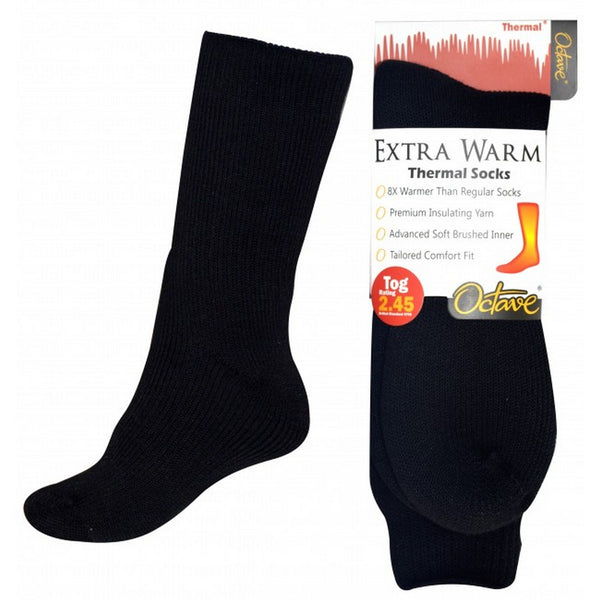
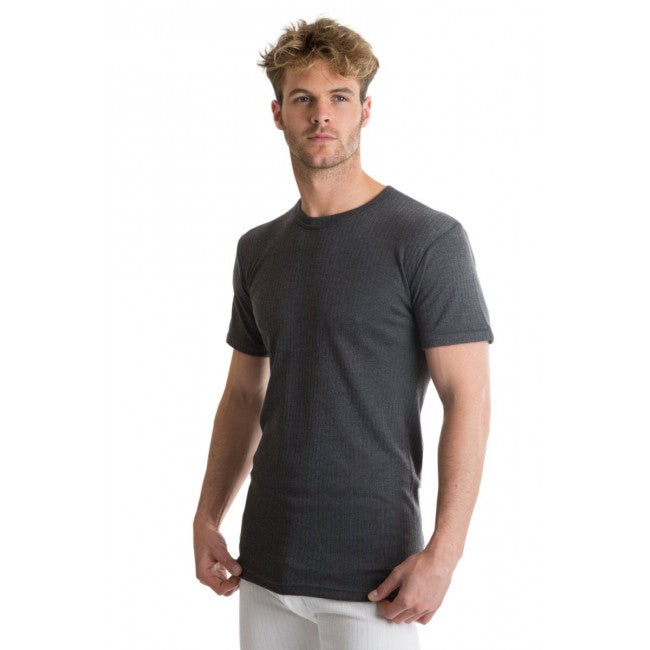
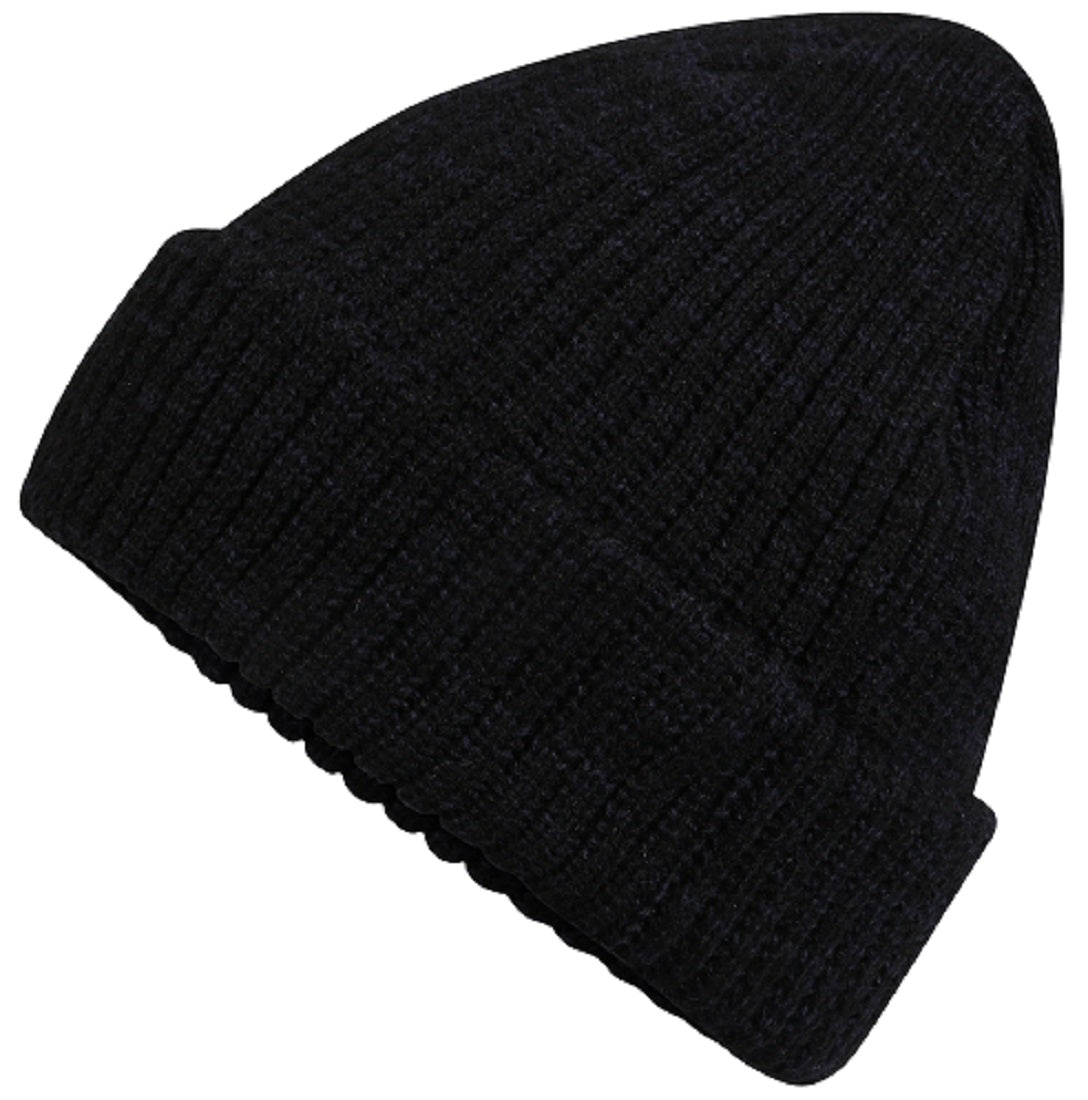
"Legs for distance. Arms for the explosion. Thermal gear for the survival."
#RawPower #AthletePerformance #WinterCycling #BritishThermals #MuscleScience #StayWarm #OutdoorSports


Comments
Post a Comment